
Creating a healthier and more sustainable environment.
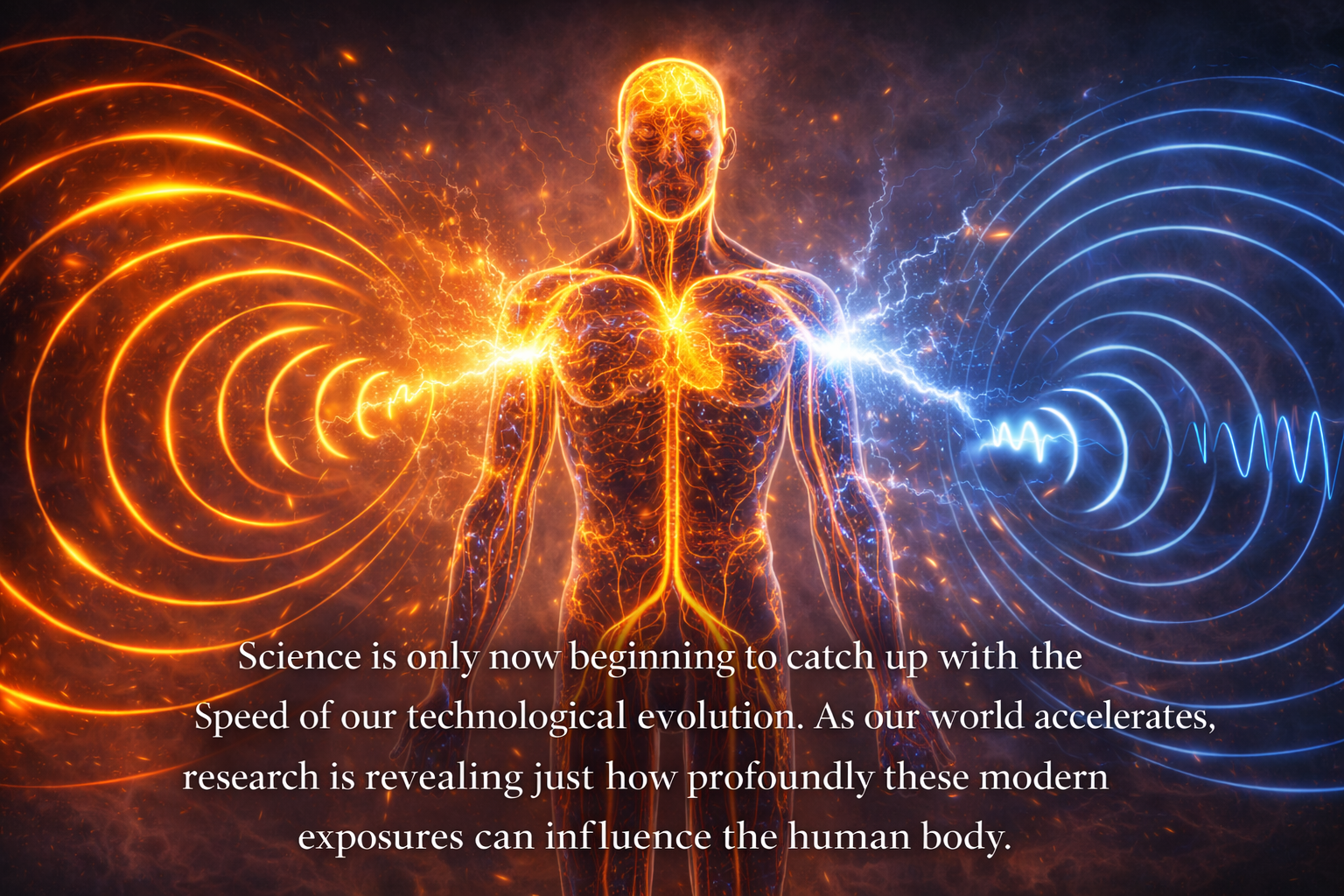
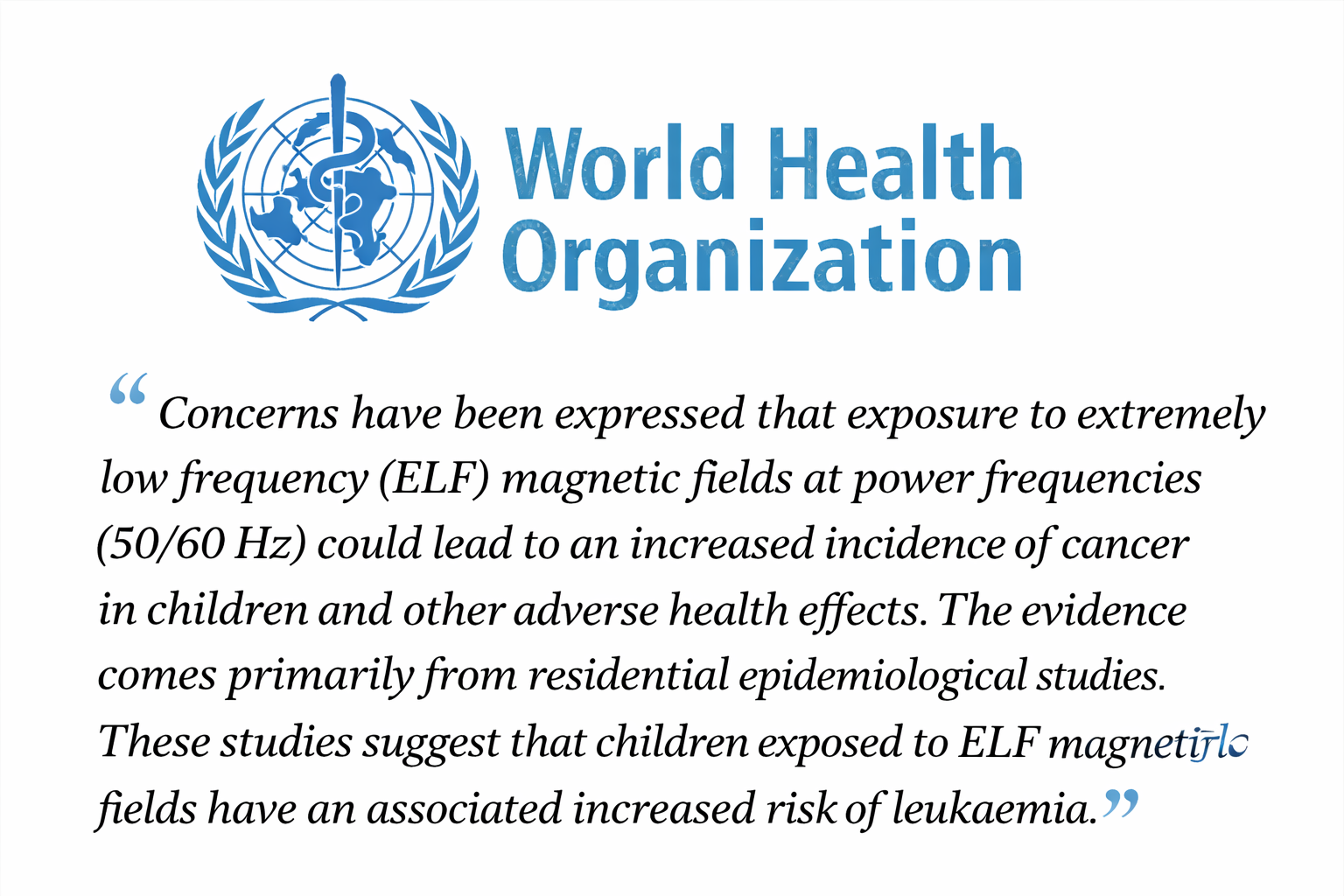
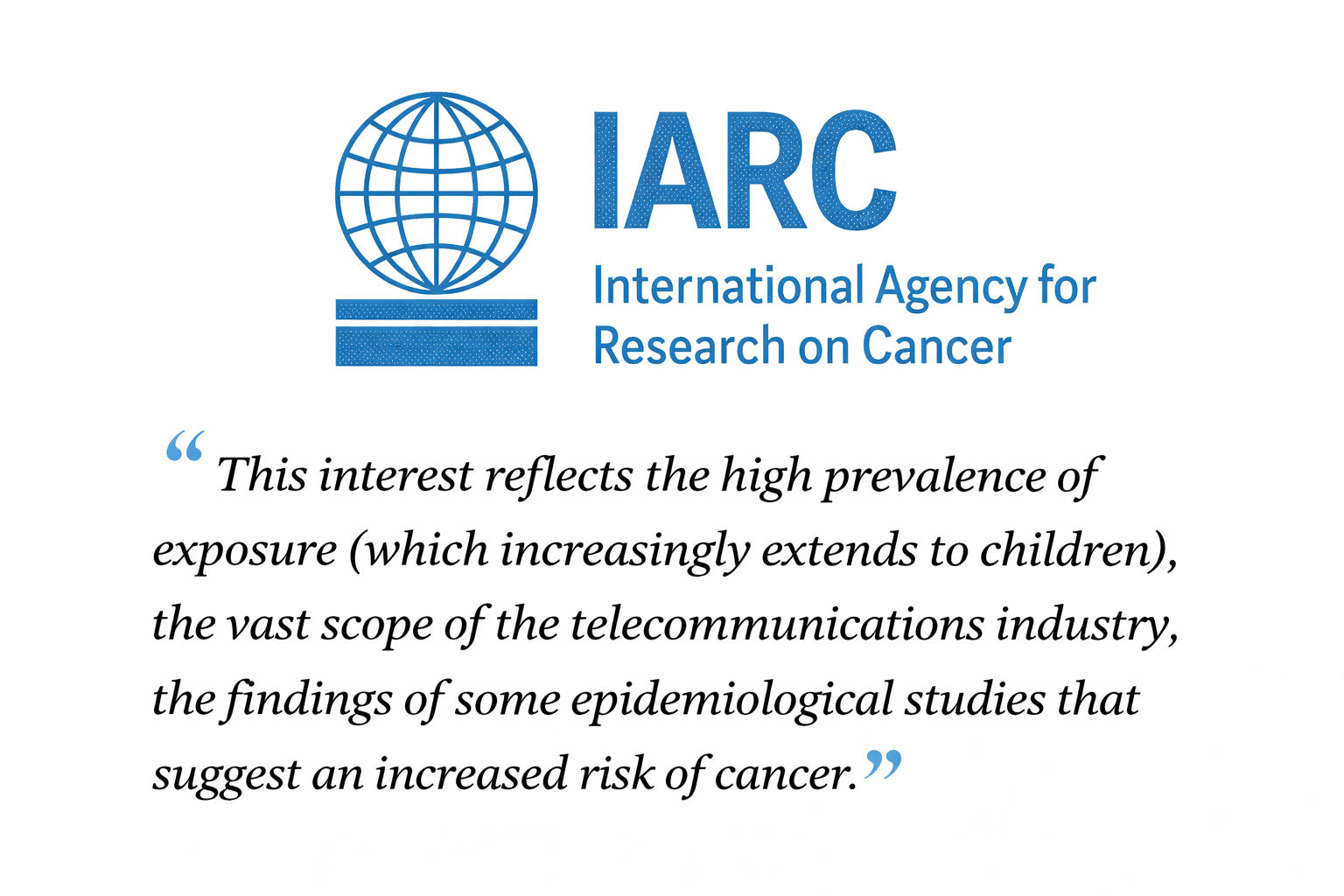
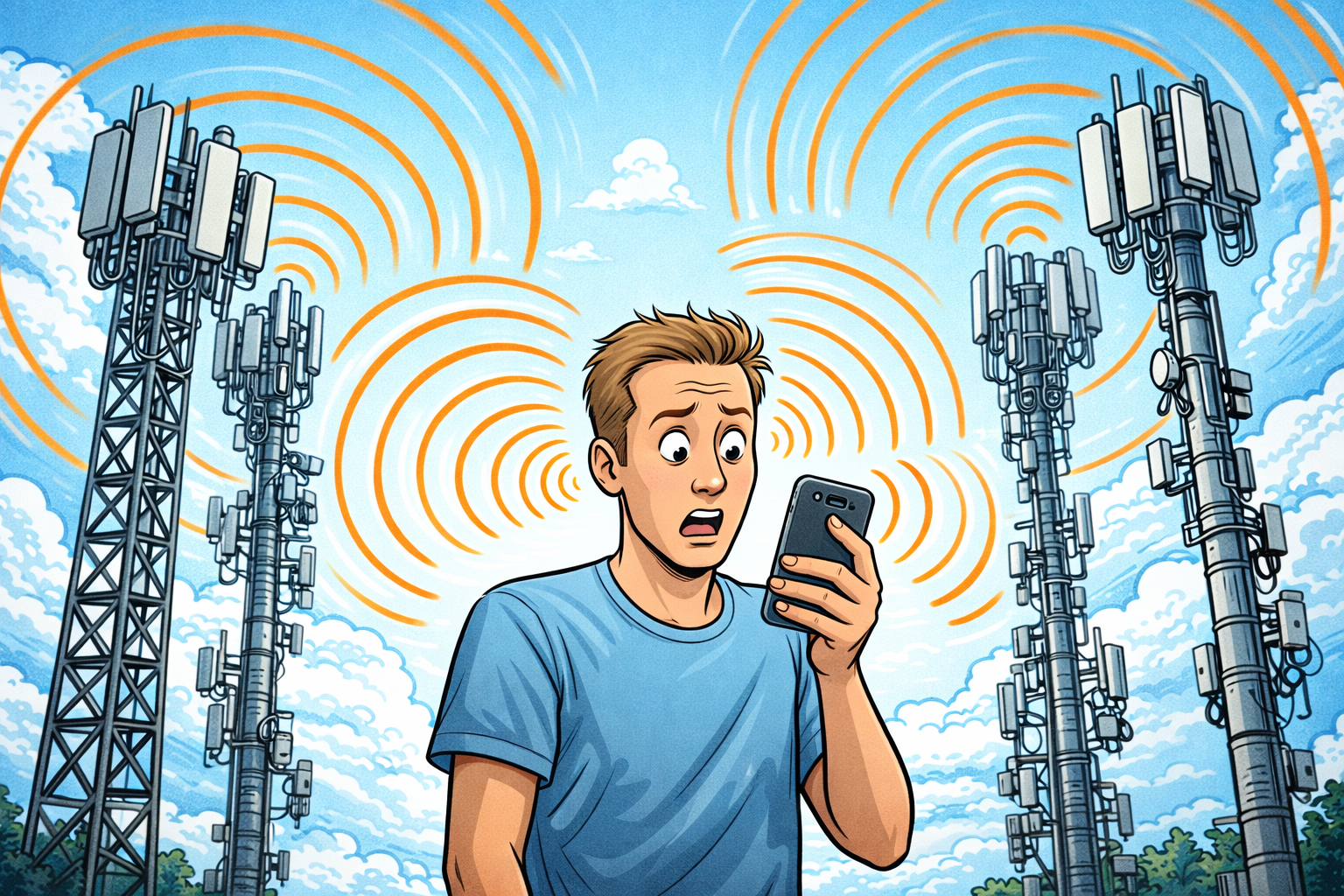
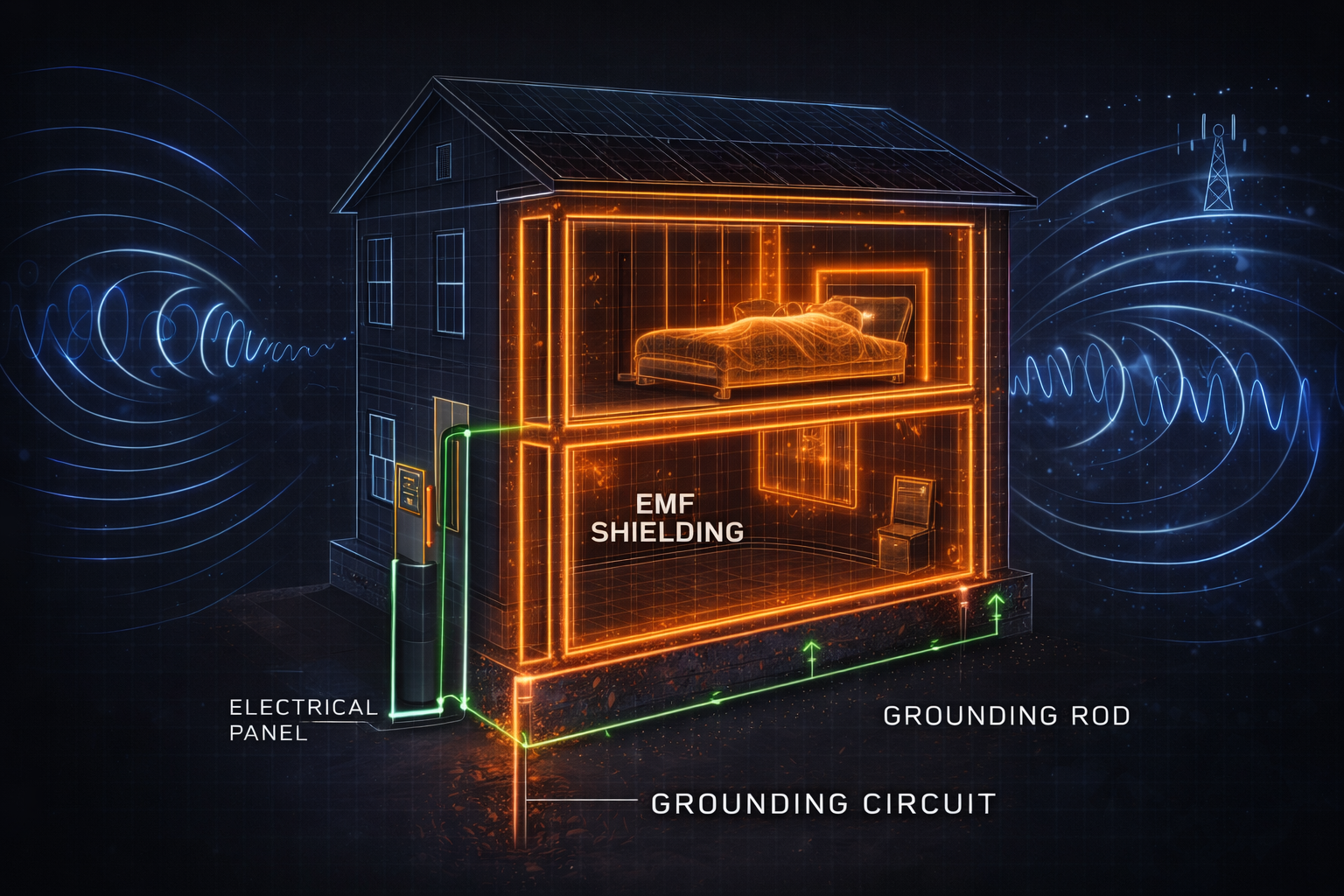
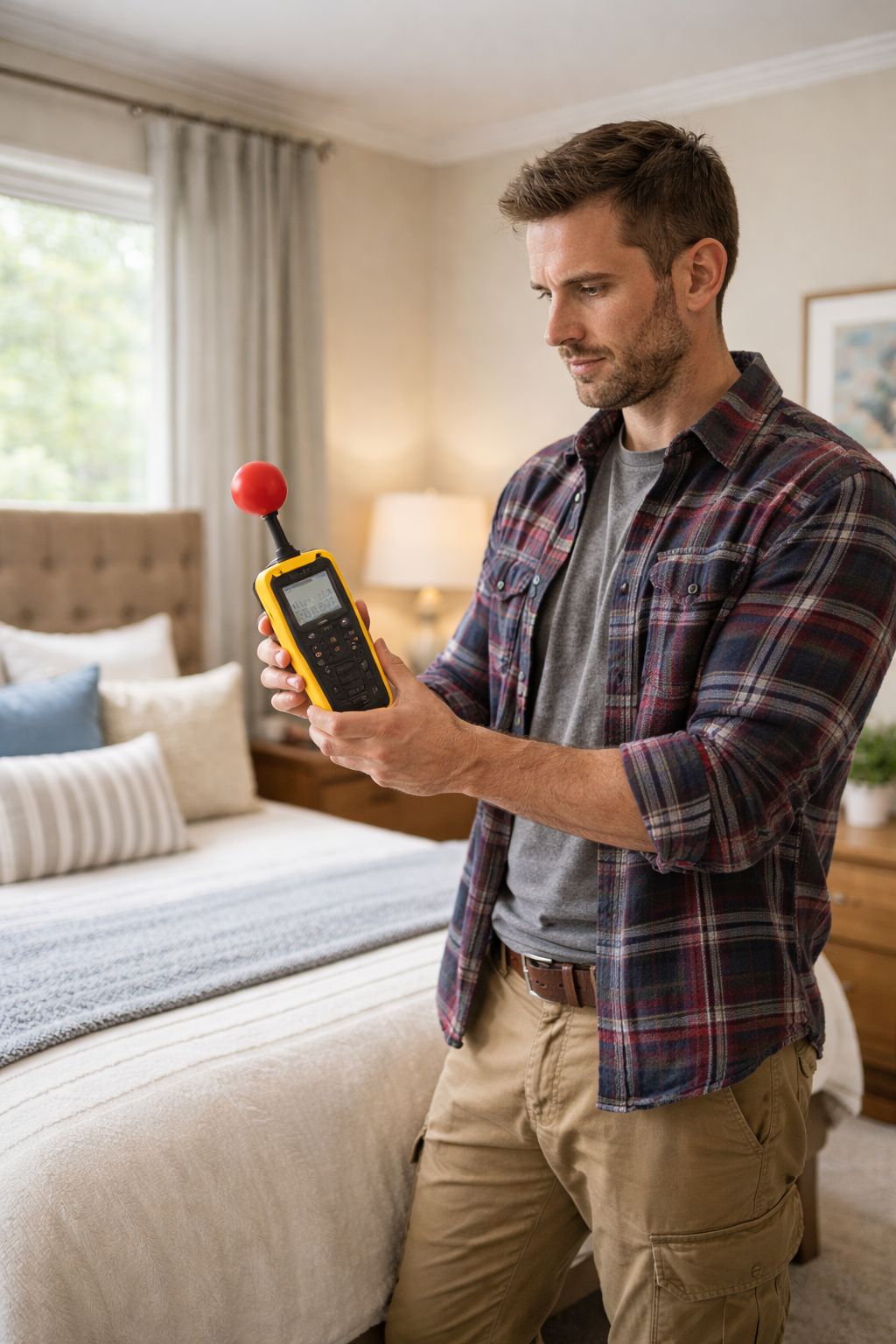
As our environment becomes increasingly saturated with electronic and wireless technologies, human biology is exposed to unprecedented levels of electromagnetic (EMF) and radiofrequency (RF) radiation. These invisible forces interact continuously with the body and brain, raising important questions about long-term biological impact. Let us help you develop a strategic approach to reduce exposure and safeguard what matters most.
Poor Sleep, EMF Exposure, and Biological Disruption
Sleep is a critical biological process regulated by complex interactions between the nervous system, endocrine signaling, and circadian rhythms. Disruptions to sleep architecture—particularly reductions in deep (slow-wave) sleep and REM sleep—can have cascading effects on neurological, metabolic, and immune function.
EMF Exposure and Sleep Regulation
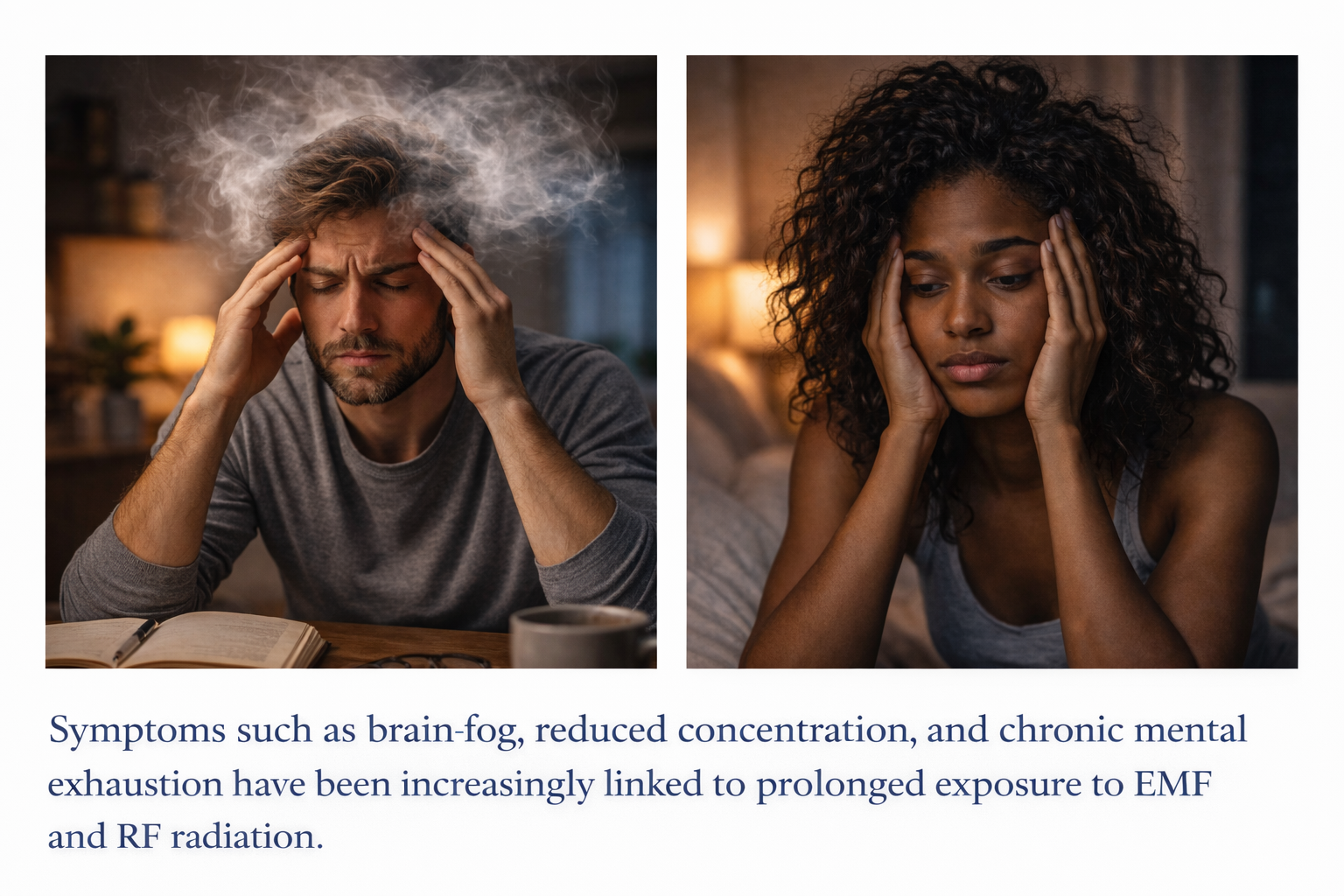
Electromagnetic fields (EMFs), particularly radiofrequency (RF) radiation emitted by wireless devices, have been shown to interact with the central nervous system. Research suggests that EMF exposure may alter brain electrical activity, influence melatonin secretion, and disrupt circadian regulation—mechanisms directly tied to sleep quality and timing.
Multiple studies have reported associations between EMF exposure and:
Increased sleep latency (difficulty falling asleep)
Reduced sleep efficiency
Altered EEG patterns during sleep
Suppressed nocturnal melatonin production
Melatonin, a hormone essential for initiating and maintaining sleep, also plays a role in antioxidant defense and DNA repair. Disruption of melatonin signaling may therefore compound both sleep impairment and oxidative stress.
Oxidative Stress and Neurological Impact
EMF exposure has been linked to increased production of reactive oxygen species (ROS) in neural tissue. Elevated oxidative stress within the brain can interfere with synaptic signaling, neuronal recovery, and overnight cognitive restoration—processes that normally occur during sleep. Over time, this may contribute to symptoms such as non-restorative sleep, cognitive fatigue, and impaired concentration.
Downstream Health Consequences
Chronic sleep disruption associated with environmental stressors, including EMF exposure, has been associated with:
Cognitive impairment and memory dysfunction
Mood disturbances, anxiety, and depressive symptoms
Dysregulation of glucose metabolism and appetite hormones
Increased systemic inflammation
Impaired immune function
The cumulative effect of poor sleep places sustained stress on multiple physiological systems, increasing vulnerability to chronic disease over time.
Hardell, L., & Carlberg, M. (2015). Mobile phone and cordless phone use and the risk for glioma. Pathophysiology.
Burch, J. B., et al. (2002). Reduced melatonin metabolite levels in workers exposed to electromagnetic fields. Journal of Occupational and Environmental Medicine.
Loughran, S. P., et al. (2012). The effect of electromagnetic fields emitted by mobile phones on human sleep. Bioelectromagnetics.
Pall, M. L. (2013). Electromagnetic fields act via activation of voltage-gated calcium channels. Journal of Cellular and Molecular Medicine.
Reiter, R. J., et al. (2007). Oxidative damage and melatonin reduction due to EMF exposure. Neuro Endocrinology Letters.



Let’s talk privacy
1. Wi-Fi Signals Don’t Stop at Walls
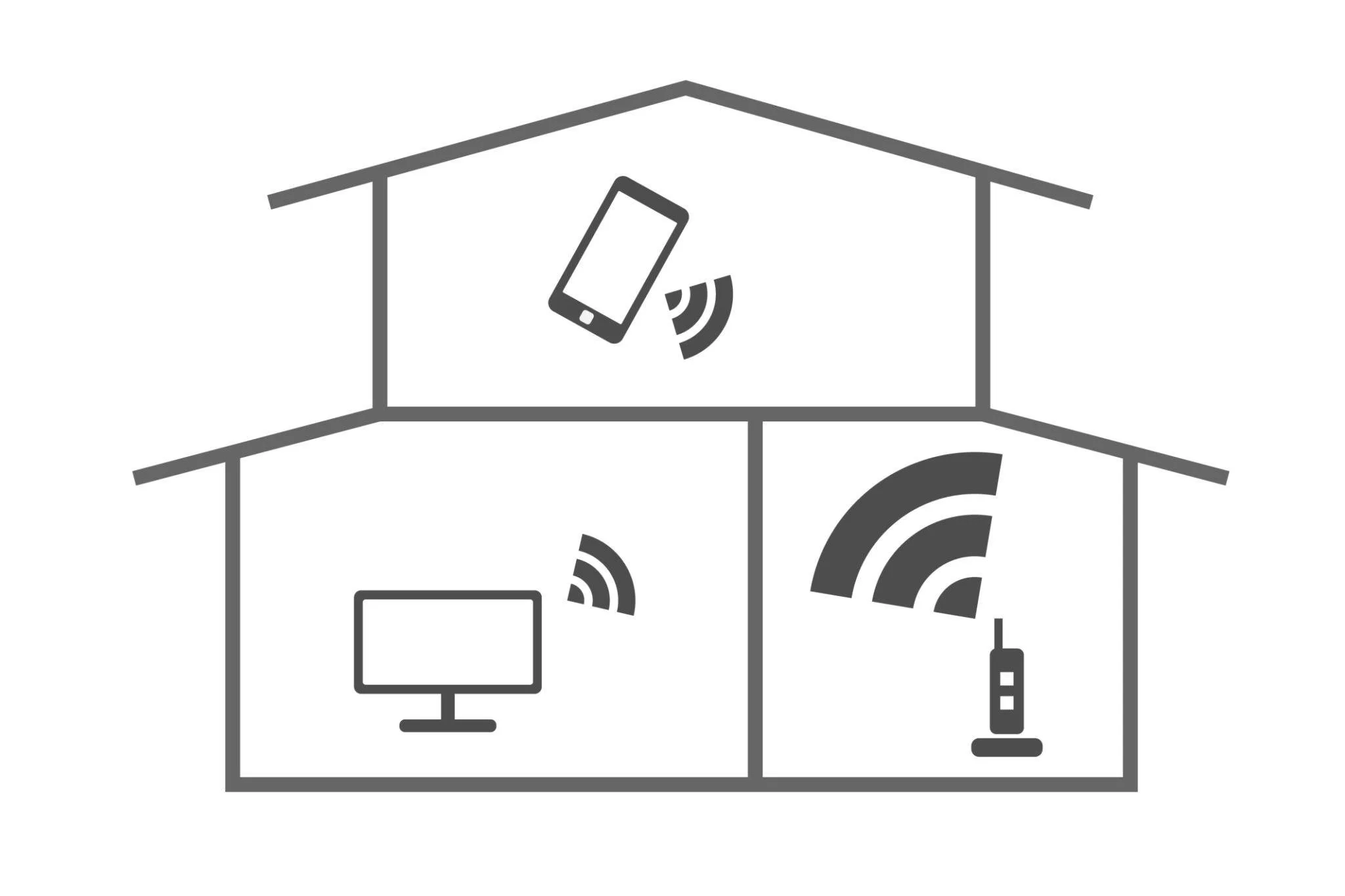
Wi-Fi operates using radiofrequency (RF) electromagnetic waves, typically in the 2.4 GHz, 5 GHz, and newer 6 GHz bands. Unlike visible light, RF waves can penetrate walls, windows, and many building materials.
When a Wi-Fi router transmits data, those signals:
Spread outward in all directions
Pass through walls and floors
Reflect off objects and people
Return altered based on what they encounter
This constant interaction is the foundation of Wi-Fi-based sensing.
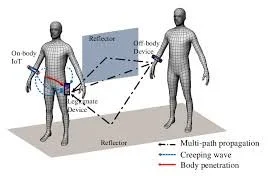
2. The Human Body Strongly Affects RF Signals
The human body is composed largely of water and electrolytes, which interact strongly with radio waves.
As a result:
A standing person absorbs and reflects RF energy
Breathing causes subtle rhythmic signal changes
Walking produces distinct motion-based disruptions
Even small movements (arm shifts, posture changes) alter signal patterns
These changes are measurable, even if they are not visible.
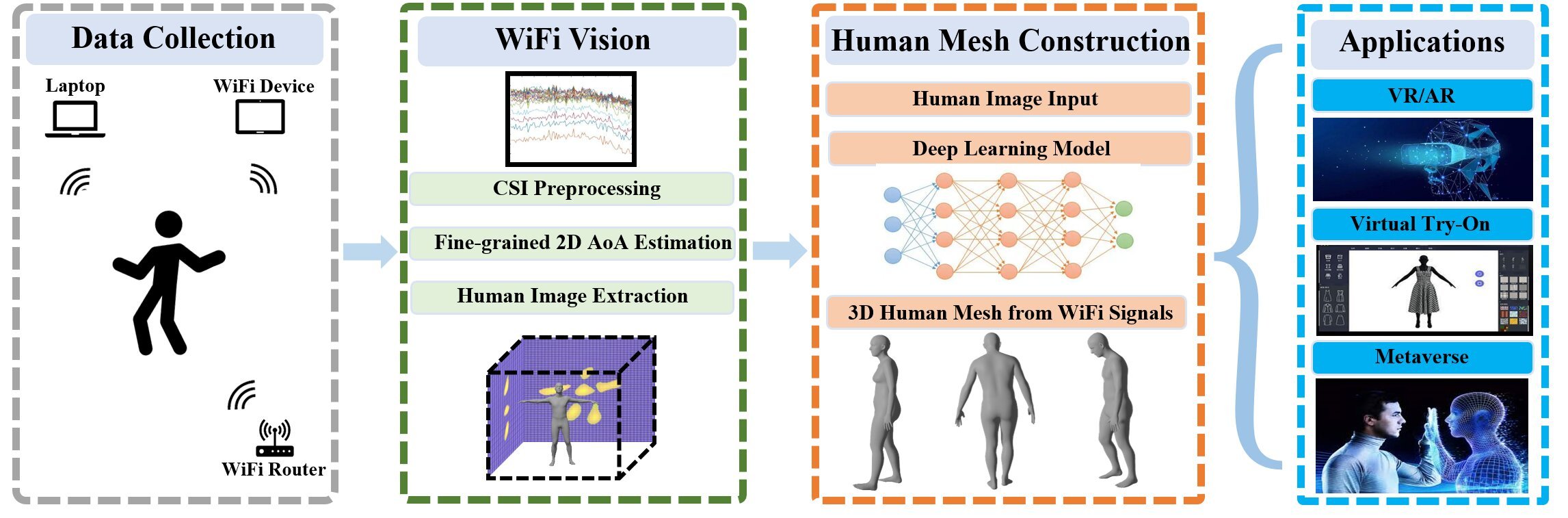
3. Channel State Information (CSI): The Key Signal
Modern Wi-Fi systems can expose detailed metadata known as Channel State Information (CSI).
CSI describes:
How fast the signal travels
How it reflects
How it scatters
How its phase and amplitude change over time
By analyzing CSI, researchers can detect:
Presence of people in a room
Number of occupants (approximate)
Movement direction
Breathing rate
Gross gestures
Importantly:
This does not create images like a camera. It creates patterns, similar to radar or sonar.
4. Passive Sensing From Outside the Home
In research environments, Wi-Fi sensing can be performed without placing equipment inside the home, using:
Existing Wi-Fi routers
External receivers
Reflected signal analysis
This is sometimes referred to as:
RF tomography
Device-free localization
Wireless sensing
The system does not need access to encrypted data—only to the physical signal behavior, which exists regardless of passwords.
5. What Can (and Can’t) Be Detected
What research shows is possible:
Detecting whether a space is occupied
Distinguishing between stillness and movement
Identifying walking vs. sitting vs. lying down
Measuring respiration patterns in controlled conditions
What it cannot do:
See faces or identities
Read thoughts or conversations
Produce visual images like cameras
Reliably identify individuals without additional data
It’s closer to radar-based presence detection than surveillance photography.
6. Who Uses This Technology (Legitimately)
Wi-Fi sensing is actively researched and used by:
Universities and medical researchers (sleep, respiration monitoring)
Smart home companies (occupancy detection, energy optimization)
Elder care and fall-detection systems
Defense and security research organizations
Some systems are designed to function without cameras, specifically to reduce visual privacy risks—yet they still raise important questions.
7. Privacy and Exposure Implications
This capability exists because:
Wi-Fi is always on
Signals constantly propagate beyond property lines
The human body is not RF-transparent
Most people assume Wi-Fi is only about internet access—but in reality, it is a persistent electromagnetic environment interacting with biology and space.
This is why many experts emphasize:
Reducing unnecessary nighttime exposure
Using wired connections where practical
Creating low-EMF sleep environments
Being intentional about wireless deployment
Bottom Line
Wi-Fi doesn’t “see” in the way cameras do—but it senses presence, motion, and biological activity through physics. This capability is real, well-documented in scientific literature, and increasingly sophisticated.
Understanding how it works isn’t about fear—it’s about informed, common-sense decisions around how much wireless exposure we allow, where we allow it, and when the body most benefits from a break.



Our vision
Our mission is to help people live healthier lives by creating safer environments through exceptional craftsmanship and the use of state-of-the-art materials. We are committed to delivering precise, high-quality work that protects what matters most and stands the test of time.

Follow us on social




Contact Us
Interested in working together? Fill out some info and we will be in touch shortly. We can’t wait to hear from you!